Watch & Learn
10:00 mins
Shalina MedSpace
3 min read
Safe Exercises for Expectant and New Mothers
Gentle movement, pelvic floor strengthening, and postural alignment to relieve pregnancy aches and boost physical recovery with confidence.
Key Takeaways
- Aim for 150 minutes of moderate low-impact aerobic exercise weekly to enhance stamina, mood, and delivery readiness.
- Optimal maternal workouts include brisk walking, prenatal yoga, swimming, and targeted pelvic floor (Kegel) training.
- Avoid contact sports, extreme heat, and lying flat on your back after 16 weeks to prevent inferior vena cava compression.
- Resume postpartum exercise gradually: start with light walking and pelvic rehabilitation following your 6-week clinical checkup.
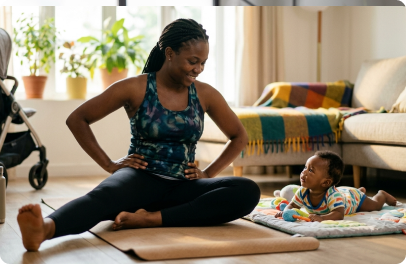
Staying gently active during pregnancy and early motherhood strengthens your cardiovascular system, eases lower back tension, improves sleep quality, and prepares your body for labor and postpartum recovery.
Safe Movement Guidelines by Trimester
Unless contraindicated by your obstetrician, 20 to 30 minutes of moderate, low-impact exercise most days of the week offers proven maternal health benefits:
- Brisk Walking: The safest, most accessible full-body exercise. Maintains stamina and supports healthy gestational weight gain without stressing joints.
- Prenatal Pelvic Floor (Kegel) Exercises: Gentle contractions of the pelvic floor muscles support bladder control and facilitate smooth labor progression.
- Gentle Prenatal Yoga & Stretching: Cat-cow stretches, gentle hip openers, and child’s pose relieve pressure on the sciatic nerve and diaphragm.
Always stop immediately and consult your healthcare provider if you experience dizziness, shortness of breath before exertion, vaginal bleeding, or sudden pelvic pain.
Postpartum Recovery: Returning to Gentle Motion
In the first six weeks following childbirth, prioritize rest, gentle diaphragmatic breathing, and short strolls. After your postpartum clinical checkup, gradually reintroduce core stabilization exercises, always listening attentively to your body’s signals.
Frequently Asked Questions
Common questions answered by our pediatric and maternal healthcare team.
Yes, as long as you have clearance from your obstetrician or midwife. Begin gently with 10 to 15 minutes of low-impact walking on flat terrain, gradually building up to 30 minutes of moderate activity 5 days a week.
After 16 weeks, the weight of the gravid uterus can compress your inferior vena cava—the large vein returning blood to your heart. This compression reduces cardiac output and placental blood flow, potentially causing lightheadedness and maternal hypotension.
Kegel exercises strengthen the muscular sling supporting your bladder, uterus, and bowels. Training these muscles enhances tissue elasticity for labor, reduces urinary incontinence, and accelerates postpartum healing.
Gentle walking and gentle pelvic floor contractions can begin within days of an uncomplicated vaginal birth. Vigorous cardio, running, and heavy core training should wait until your 6-week postnatal medical review (or 8 to 10 weeks following a cesarean birth).
More from Motherhood & Parenting Hub
 Read & Learn
05:00 mins
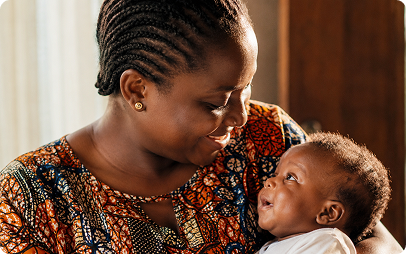
Breastfeeding: Challenges and Benefits
Breastfeeding is beautiful, but not always easy. It’s okay if it feels tough, Mama. Here is trusted guidance on latching, milk supply, and emotional well-being.
Read More Listen & Learn
08:00 mins

Food & Nutrition: Nourishing You and Your Baby
Hey new moms! Let’s chat about the rollercoaster ride before and after birth. Essential nutrients, balanced meals, and safe dietary habits.
Listen Now