Listen & Learn
08:00 mins
Shalina MedSpace
3 min read
Food & Nutrition: Nourishing You and Your Baby
Hey new moms! Let’s chat about the rollercoaster ride before and after birth. Essential nutrients, balanced meals, and safe dietary habits.
Key Takeaways
- Prioritize essential micronutrients: folic acid, bioavailable iron, calcium, choline, and omega-3 DHA support fetal and infant brain development.
- Eat smaller, frequent meals every 3 to 4 hours to stabilize maternal blood sugar and naturally relieve morning nausea.
- Drink 2.5 to 3 liters of purified water daily to maintain amniotic fluid volume, energy levels, and milk production.
- Avoid unpasteurized dairy, undercooked meats and eggs, and predatory fish with elevated methylmercury levels.
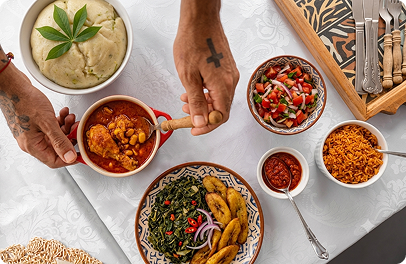
Good nutrition is the cornerstone of maternal health and optimal fetal development. Whether preparing for birth or recovering during the postpartum fourth trimester, your body requires wholesome, balanced fuel to support energy, hormone balance, and newborn vitality.
Core Pillars of Maternal Nutrition
Eating well during motherhood is not about strict diets or counting calories—it is about nourishing your cells with nutrient-dense, locally available foods:
- Iron and Folate: Vital for red blood cell formation, preventing maternal anemia, and supporting baby’s neurological growth. Green leafy vegetables, beans, lentils, lean meats, and eggs are exceptional sources.
- Calcium and Vitamin D: Ensures robust bone and teeth formation in your child while protecting maternal bone density. Fortified dairy, sesame, small fish with bones, and safe sunlight exposure provide vital support.
- Omega-3 Healthy Fats (DHA): Fundamental for fetal brain and vision development. Found in oily fish, chia seeds, and fortified dietary staples.
- Continuous Hydration: Aim for 2.5 to 3 liters of safe, clean drinking water every day, especially when lactating.
Pair iron-rich plant foods (such as spinach, moringa, or beans) with vitamin C rich fruits (such as oranges, baobab, or tomatoes) to boost iron absorption by up to 300%!
Managing Common Digestive Sensitivities
Hormonal fluctuations during pregnancy often slow gastrointestinal motility, leading to constipation or heartburn. Focus on fiber-rich complex grains (oats, brown rice, millet), eat smaller and more frequent meals throughout the day, and avoid lying down immediately after eating.
Frequently Asked Questions
Common questions answered by our pediatric and maternal healthcare team.
No, "eating for two" is an outdated myth. In the first trimester, extra calorie needs are minimal. In the second trimester, you need approximately 340 extra nutrient-rich calories daily (such as yogurt with nuts), and 450 calories in the third trimester. Micronutrient quality is far more important than caloric volume.
Whole oats, dark leafy greens (spinach, kale), sesame seeds, legumes, and consistent water intake provide foundational lactogenic nutrients. Above all, frequent, unhurried breast stimulation is the primary biological driver of prolactin production.
Eat lean meats, poultry, beans, and dark greens paired with vitamin C rich fruits (oranges, guavas) to maximize non-heme iron absorption. Avoid drinking coffee or black tea within one hour of meals as their polyphenols bind to iron and inhibit absorption.
Eat 5 to 6 small meals instead of 3 large ones, chew thoroughly, avoid heavy fried or spicy foods, avoid lying down within an hour of eating, and sleep with your upper body slightly elevated.
More from Motherhood & Parenting Hub
 Read & Learn
05:00 mins

Breastfeeding: Challenges and Benefits
Breastfeeding is beautiful, but not always easy. It’s okay if it feels tough, Mama. Here is trusted guidance on latching, milk supply, and emotional well-being.
Read More Watch & Learn
10:00 mins

Safe Exercises for Expectant and New Mothers
Gentle movement, pelvic floor strengthening, and postural alignment to relieve pregnancy aches and boost physical recovery with confidence.
Watch Now